

The global climate crisis intensified in 2026 as scientists warned that rising temperatures and the likely return of El Nino could trigger more frequent heatwaves, floods, droughts, and wildfires across the world. According to the latest assessment from the World Meteorological Organization (WMO), El Nino has an 80% chance of developing before September and a 90% chance of continuing through November, increasing the likelihood of extreme weather events worldwide.
Climate data shows that global temperatures between 2026 and 2030 will likely remain 1.3°C to 1.9°C above pre-industrial levels. Researchers estimate a 91% chance that at least one year during this period will exceed the critical 1.5°C warming threshold. They also predict an 86% probability that the world will record its hottest year before 2030.
Europe has already experienced unprecedented heat this year. Temperatures climbed to 35.1°C in London and neared 39°C in parts of France during May, far above seasonal averages. Climate experts say human-driven climate change is making extreme heat events more frequent, intense, and long-lasting.
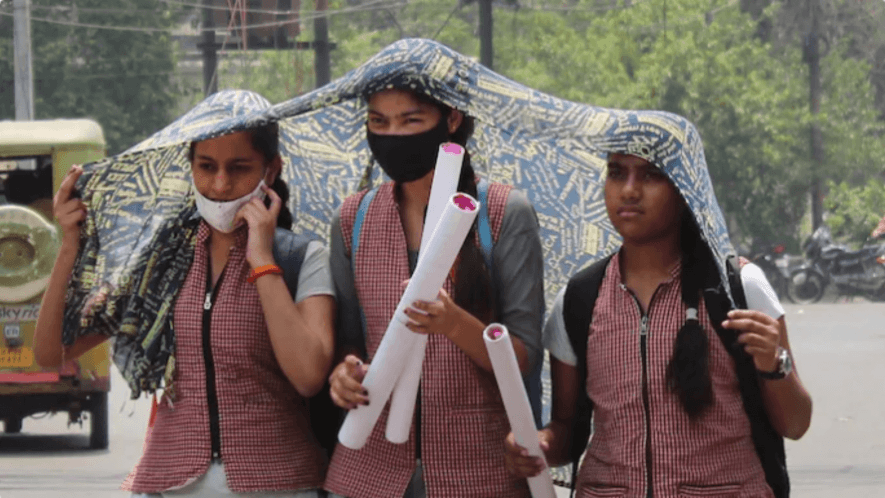
India and several South Asian countries have also faced severe heat stress. Many regions recorded temperatures above 45°C during the pre-monsoon season, placing pressure on public health systems, agriculture, and water supplies. Governments responded by issuing heatwave alerts and activating emergency measures to protect vulnerable communities.
The economic impact of climate change continues to grow. Studies estimate that extreme heat could cost major economies billions of dollars through lower productivity, crop losses, and rising energy demand. Wildfires have already damaged more than 150 million hectares of land worldwide in 2026, making it one of the most destructive wildfire years on record.
“Every fraction of a degree matters,” said UN Secretary-General António Guterres as he urged governments to take decisive action against climate change.
